Wondering why one part of Reston feels like a tucked-away design community while another feels more like a polished urban hub? That variety is one of the biggest reasons buyers and sellers pay close attention to this market. If you are trying to understand how Reston’s home styles and neighborhood feel fit your lifestyle, this guide will help you see the differences more clearly. Let’s dive in.
Why Reston Feels Different
Reston was planned as a complete community, not just a commuter suburb. Fairfax County says the Reston Master Plan organized neighborhoods around village centers with gathering spaces, retail, personal services, offices, civic uses, and preserved open space.
That planning still shapes how Reston lives today. The county’s current plan says Reston continues to blend urban and suburban lifestyles, with Reston Town Center as the urban center and Metro station areas as the highest-density parts of the community.
A big reason the area feels so distinct is the amount of shared land and connected amenities. The original plan devoted 42% of acreage to public space, including trails, roads, parks, and two golf courses, and Reston Association now notes four man-made lakes, more than 55 miles of pathways and trails, and 1,300 acres of open space.
For you as a buyer or seller, that means home style in Reston is often tied to setting. The look of a home, the street pattern, the trail access, and the nearby village center all help define the neighborhood experience.
Lake Anne And Original Reston
If you want to understand Reston’s signature character, start with Lake Anne. It was the first part of Reston to be developed, and Fairfax County describes it as a pedestrian-scaled mix of residences, offices, and retail organized around a lake and plazas.
Lake Anne also holds a special place in local planning history. Fairfax County designated it as a historic overlay district, which reflects how important it is to Reston’s identity.
Modernist Homes And Shared Spaces
The earliest clusters around Lake Anne show Reston’s modernist roots most clearly. Fairfax County’s survey describes neighborhoods like Hickory Cluster, Waterview Cluster, and Coleson Cluster as places where homes were arranged around shared plazas, common areas, and pedestrian connections.
These homes often read very differently from a typical subdivision. The survey highlights features such as block houses, row houses, carriage houses, large windows, sliding glass doors, flat roofs, balconies, decks, and a stronger relationship to public space than to large private yards.
If you are drawn to architecture and community design, this part of Reston may stand out right away. The feel is intimate, design-forward, and highly connected to shared green space.
What Lake Anne Feels Like Day To Day
Lake Anne has a true village feel because the layout was built around walking and gathering. Instead of focusing only on cars and individual lots, the area emphasizes plazas, trails, and the relationship between homes and public space.
That creates a different kind of neighborhood rhythm. For some buyers, it feels creative, established, and more communal than a standard suburban street pattern.
Lakeside And Wooded Neighborhoods
Reston’s lakes are a major part of its residential identity. Reston Association says Lake Anne, Lake Thoreau, Lake Audubon, and Lake Newport are man-made lakes used for fishing, boating, wildlife watching, and picnicking, with many pathways running close to them.
This water-and-trail network shapes the feel of many neighborhoods. Rather than reading as beachy or resort-like, the strongest supported description is wooded, trail-connected, and water-oriented.
A Calmer, More Tucked-Away Setting
Some parts of Reston feel especially scenic and settled because homes are closely tied to the land around them. Fairfax County’s survey notes that some clusters were intentionally placed near lakes, tennis courts, or golf courses based on recreational interests.
Waterview is a good example. The survey places it on a hillside next to Lake Anne and notes that early commentary compared it to a Mediterranean fishing village.
Hickory offers another example of how Reston’s planning shapes everyday living. The Green Trail passes under North Shore Drive and links homes to common areas, reinforcing the area’s connected, landscape-driven feel.
If you want a setting that feels quieter and more tucked away, these lakeside and wooded sections of Reston often deliver that mood. They tend to appeal to buyers who value trails, mature landscaping, and a stronger connection to open space.
Traditional Detached Homes In Reston
Reston is not limited to its original clusters. From the beginning, the community was intended to include a wide mix of housing types, and Fairfax County says that variety remains part of the plan today.
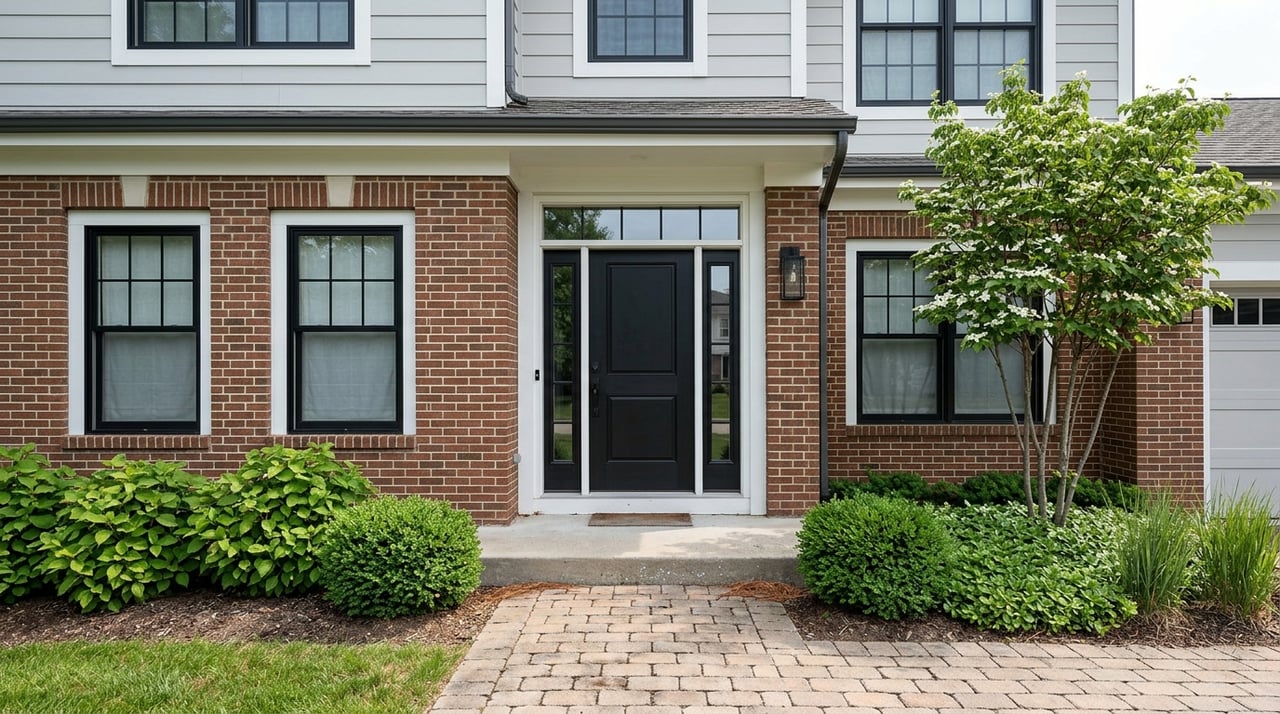
That matters because many buyers picture Reston through only one lens. In reality, the community includes condominiums, townhouses, apartments, and detached single-family homes.
A More Familiar Suburban Pattern
Fairfax County’s survey notes that one of the first detached single-family houses in Reston marked a transition from the original master-planned cluster model to a more typical suburban housing pattern. In everyday buyer language, this is the side of Reston that often feels more traditional and familiar.
You may find streets where the experience is less about shared plazas and more about private lots, driveways, and a classic suburban rhythm. For buyers who want Reston’s amenities and location but prefer a more conventional detached-home setting, these neighborhoods can be a strong fit.
For sellers, this variety is also important when positioning a home. A detached property in Reston may need to be marketed differently than a modernist cluster home or a condo near the Town Center because buyers are often shopping for a specific lifestyle, not just a bedroom count.
Reston Town Center And Urban Living
If Lake Anne reflects Reston’s original vision, Reston Town Center shows its most urban expression. Fairfax County says the Town Center was developed with an urban form and includes high-density housing, offices, and a regional retail draw.
The Town Center’s history also helps explain its role today. It began in 1990, added its open-air glass pavilion in 1993, and the Silver Line Metro arrived in 2022.
Condos, Convenience, And Walkability
The county’s 2022 plan says Reston Town Center will remain the community’s urban center and that transit station areas will have the highest commercial and residential densities. For buyers, that usually translates into the most low-maintenance and walkable lifestyle options in Reston.
This is the part of the community that feels closest to city living. Condos and apartments here often appeal to people who want easier upkeep, nearby dining and shopping, and quick access to transit.
For sellers, the lifestyle story matters just as much as the property itself. Buyers comparing urban-style homes in Reston are often weighing convenience, building style, and daily walkability alongside price and floor plan.
How To Match Style To Lifestyle
When you look across Reston, the biggest takeaway is that there is no single “Reston home type.” The community was designed to offer a range of housing choices, and that variety still shows up clearly from one area to the next.
Here is a simple way to think about the fit:
- Lake Anne and early clusters: best known for modernist design, pedestrian orientation, and shared common space
- Lakeside and wooded neighborhoods: known for trail access, mature landscaping, and a calmer water-oriented setting
- Detached-home areas: often offer a more traditional suburban pattern with private lots and familiar street layouts
- Reston Town Center and Metro areas: best fit for buyers seeking condos, apartments, walkability, and a more urban feel
If you are buying, this framework can help you narrow your search faster. If you are selling, it can help shape pricing, presentation, and marketing so your home connects with the right audience.
Why Local Context Matters
In a place as layered as Reston, small location details can make a big difference. Two homes with similar square footage may appeal to very different buyers depending on whether they sit near Lake Anne, along a wooded trail network, in a detached-home section, or near Reston Town Center.
That is why local guidance matters. Understanding how buyers perceive each pocket of Reston can help you make better decisions, whether you are choosing where to live or preparing a home for sale.
If you are thinking about buying or selling in Reston, working with a team that knows these neighborhood differences can save time and reduce guesswork. Marnie Schaar & Associates brings deep Reston market knowledge and a hands-on approach to help you move with confidence.
FAQs
What home styles are most distinctive in Reston?
- Reston’s most distinctive home styles are found around Lake Anne and the early clusters, where Fairfax County identifies modernist, pedestrian-oriented designs with shared plazas, common areas, and strong trail connections.
What part of Reston feels most urban?
- Reston Town Center and the Metro station areas have the most urban feel, with higher-density housing, offices, retail, and a more walkable, low-maintenance lifestyle.
What areas of Reston feel more wooded and scenic?
- Lakeside and trail-connected parts of Reston often feel the most wooded and scenic because of their relationship to open space, mature landscaping, pathways, and the community’s four lakes.
Does Reston have detached single-family neighborhoods?
- Yes. Reston includes detached single-family homes as part of its wider mix of housing types, and some of those areas follow a more traditional suburban pattern than the original cluster neighborhoods.
Why do Reston neighborhoods feel so different from each other?
- Reston was planned as a complete community with village centers, varied housing types, open space, trails, and urban and suburban zones, so each area developed with a distinct setting and lifestyle feel.