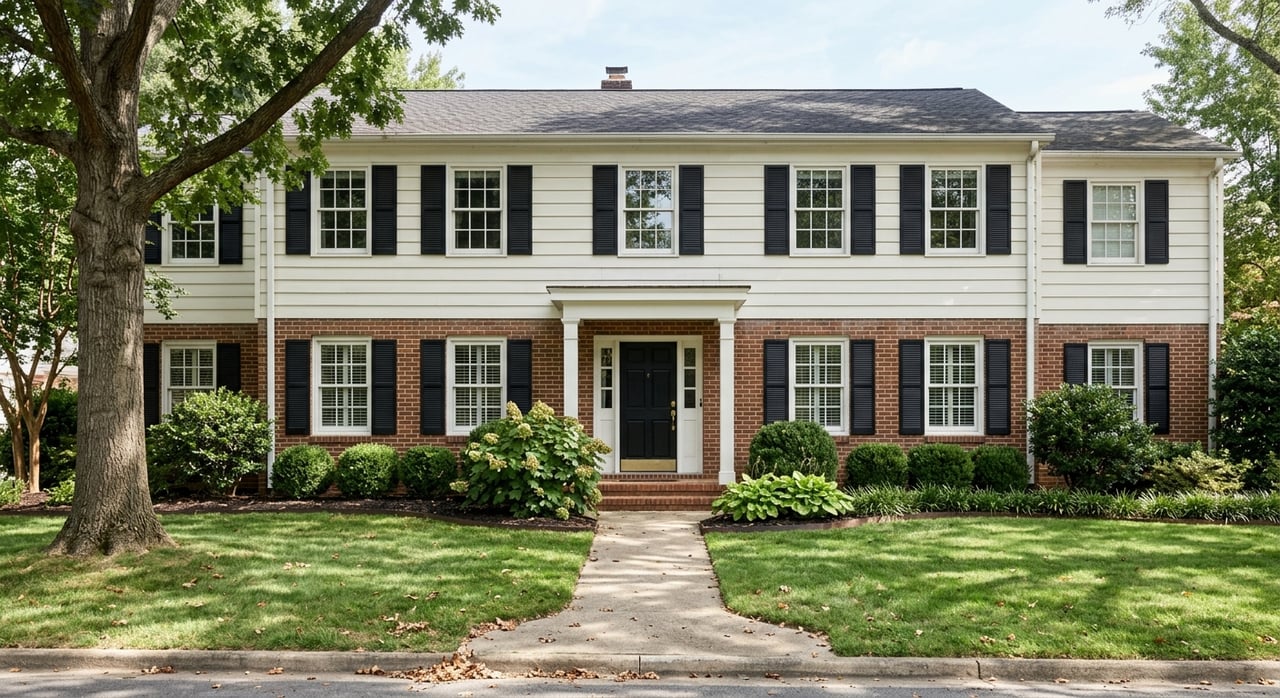
Choosing between brand-new construction and an established neighborhood in Herndon can feel simple at first, until you start looking closely. You may picture shiny finishes on one side and mature streets on the other, but Herndon offers a more nuanced decision. If you are weighing where and how you want to live, this guide will help you compare the real tradeoffs, from housing type and commute access to renovation potential and daily convenience. Let’s dive in.
Herndon offers more than a simple either-or
Herndon has a mixed housing stock, with 8,020 total housing units made up of 3,035 detached homes, 2,440 attached homes, and 2,545 apartments or condos. That mix matters because your choice is often not just between a newer home and an older one. In many cases, you are also choosing between transit-oriented redevelopment and a more traditional neighborhood setting.
That is especially true as the town continues active housing-policy review work in 2026. At the same time, Downtown Herndon remains a strong draw, with a Walk Score of 91 out of 100 and a well-established mix of shops, restaurants, events, and local gathering spots. For buyers, that means the right fit often comes down to lifestyle as much as square footage.
What new construction usually means in Herndon
If you are shopping for new construction in Herndon, it helps to reset expectations early. Most current new residential supply is concentrated in redevelopment areas near Herndon Metro, Herndon Parkway, and Worldgate rather than in large detached-home subdivisions.
The town’s active development pipeline includes projects such as Park Place, with 85 townhouses and 56 stacked condos, 555 Herndon Parkway, with 399 apartments plus future office and retail, and redevelopment at Worldgate Drive with townhomes, stacked condos, and apartments. Another project at 250 Exchange Place includes 62 stacked condos and 400 apartments. The pattern is clear: new construction here is heavily weighted toward attached homes and multifamily living.
New construction often favors convenience
For many buyers, that project mix is a plus. Newer homes often bring updated layouts, fresh finishes, and lower immediate maintenance needs. They may also place you closer to newer mixed-use areas and transit access improvements.
If your top priorities are move-in-ready condition and proximity to the Metro core, new construction may line up well with your goals. You may be trading private yard space for location, newer systems, and a more lock-and-leave style of living.
Yard size and home type matter
One of the biggest practical differences is the kind of home you are likely to get. In Herndon, new construction often means a townhouse, stacked condo, or apartment rather than a detached home on a larger lot.
That does not make it better or worse. It simply means you should compare your daily living preferences honestly. If outdoor space, more separation from neighbors, or a traditional lot is important to you, the established-home side of the market may deserve a closer look.
Why established neighborhoods still stand out
Established neighborhoods in Herndon appeal to buyers who want a setting with more history, existing streetscapes, and a different rhythm of daily life. Downtown Herndon is the town’s historic core and remains a walkable and bikeable area with restaurants, shops, live music, and the farmers market.
The Downtown Herndon Area Plan notes that infill has happened over time, including new small-lot residential neighborhoods and a mixed-use project, along with renovations to existing properties. That tells you something important: established areas in Herndon are not frozen in time. They continue to evolve while keeping much of their original fabric.
Older homes may offer renovation upside
If you like the idea of making a home your own, established neighborhoods can create more room for that. Older homes may offer character, existing lot depth, or a chance to improve finishes and function over time.
For some buyers, that flexibility is a major advantage. Instead of paying a premium for every upgrade up front, you may be able to choose when and how to make improvements.
Historic district rules can affect plans
That said, not every older home comes with complete freedom to change the exterior. In parts of Herndon, especially within the historic district, design guidelines help preserve traditional neighborhoods and older commercial structures.
Many exterior changes in the historic district require a Certificate of Appropriateness. If you are considering an older property and already imagining additions, window replacements, or exterior design changes, it is wise to verify whether preservation rules apply before you buy.
Transit is a major deciding factor
In Herndon, commute and mobility can shape your decision just as much as the house itself. The Silver Line extension opened on November 15, 2022, bringing Herndon Station into the Metro system and changing how many buyers think about location.
WMATA lists Herndon Station at 585-A Herndon Parkway, with 3,751 all-day parking spaces, 162 bike racks, and 18 lockers. The town has also identified station-access projects such as Herndon Parkway and Van Buren Street improvements, Trail to Metro, and bus bays.
New construction is often tied to Metro growth
Many of Herndon’s newer residential projects are closely tied to this transit-focused growth pattern. The Herndon Metro Area Plan describes about 38 acres north of the station as a mixed-use urban center of redevelopment, and a small-area plan adopted in April 2024 extends the higher-density framework around the transit core.
If being near Metro is one of your top priorities, new construction may give you more options in the areas most directly shaped by that growth. This can be especially appealing if you want easier access to rail, mixed-use development, and nearby services.
Established areas still have strong connections
Established neighborhoods are not cut off from transit benefits. Fairfax Connector expanded Reston-Herndon service around the Silver Line extension, and routes including 921, 937, and 950 connect Herndon neighborhoods with the station and nearby destinations such as Worldgate, Elden Street, Reston Town Center, and Herndon Harbor House.
Herndon also sits about two miles east of Washington Dulles International Airport and 22 miles west of downtown Washington, DC. Depending on where you work and how you travel, that broader access may matter just as much as being within the immediate Metro redevelopment area.
Lifestyle goes beyond the front door
A smart home search in Herndon should include more than the property itself. The town’s trail and recreation network adds real depth to daily life, whether you choose a newer development or an established neighborhood.
The W&OD, Folly Lick, and Sugarland Run trails provide regional connections for commuting, recreation, local trips, and access to Metrorail. Herndon also offers the Community Center, an indoor pool, an indoor tennis center, and 11 neighborhood parks.
Downtown amenities support established areas
If you are drawn to established neighborhoods, daily convenience does not stop at charm. Downtown Herndon’s shops, restaurants, events, and farmers market give many established areas a strong amenity base that supports walkability and routine errands.
That can be an important counterpoint to the idea that only new developments feel convenient. In Herndon, older areas can still offer a lively and practical day-to-day experience.
How to decide which fit is right for you
When buyers compare new construction and established neighborhoods in Herndon, the best answer usually comes from matching the location and home type to your real priorities. Start with how you want to live, not just what looks best online.
A few questions can help narrow the choice:
- Do you want a move-in-ready home with newer finishes?
- Is Metro access one of your top priorities?
- Would you prefer a townhouse or condo, or do you want a detached home?
- How important is private outdoor space?
- Are you open to renovation projects over time?
- Would historic district design rules affect your plans?
- Do you want to be closer to Downtown Herndon’s established fabric or the newer redevelopment corridor?
If your priorities center on newer finishes, lower short-term maintenance, and proximity to transit-oriented growth, new construction may be the stronger fit. If you care more about traditional neighborhood character, renovation potential, or the possibility of a detached home, established areas may deserve the edge.
In practice, many buyers find that Herndon is less about choosing new versus old and more about choosing between two different ways of living within the same town. That is where local guidance can make the search much clearer.
Whether you are comparing Metro-area new construction with a classic Herndon neighborhood, or trying to understand how future improvements could affect value and lifestyle, Marnie Schaar & Associates can help you evaluate the tradeoffs with a practical, local perspective.
FAQs
Are most new homes in Herndon detached houses?
- No. Current new residential projects in Herndon are concentrated in townhomes, stacked condos, and apartments rather than large-lot detached homes.
Do older homes in Herndon have historic preservation rules?
- Some do. In the historic district, many exterior changes require a Certificate of Appropriateness, so you should confirm any restrictions before planning exterior work.
Is Metro access a major factor when choosing where to live in Herndon?
- Yes. Herndon Station, parking, bike facilities, bus connections, and related access improvements are central to the town’s current growth pattern.
Do established Herndon neighborhoods still offer good amenities?
- Yes. Established areas benefit from Downtown Herndon, local trails, parks, the community center, and other everyday conveniences.
Is Downtown Herndon walkable for daily activities?
- Downtown Herndon has a Walk Score of 91 out of 100 and includes shops, restaurants, events, and the farmers market.
Should buyers focus only on home age when comparing Herndon neighborhoods?
- No. In Herndon, the more useful comparison is often between transit-oriented redevelopment areas and older, more traditional neighborhood settings.