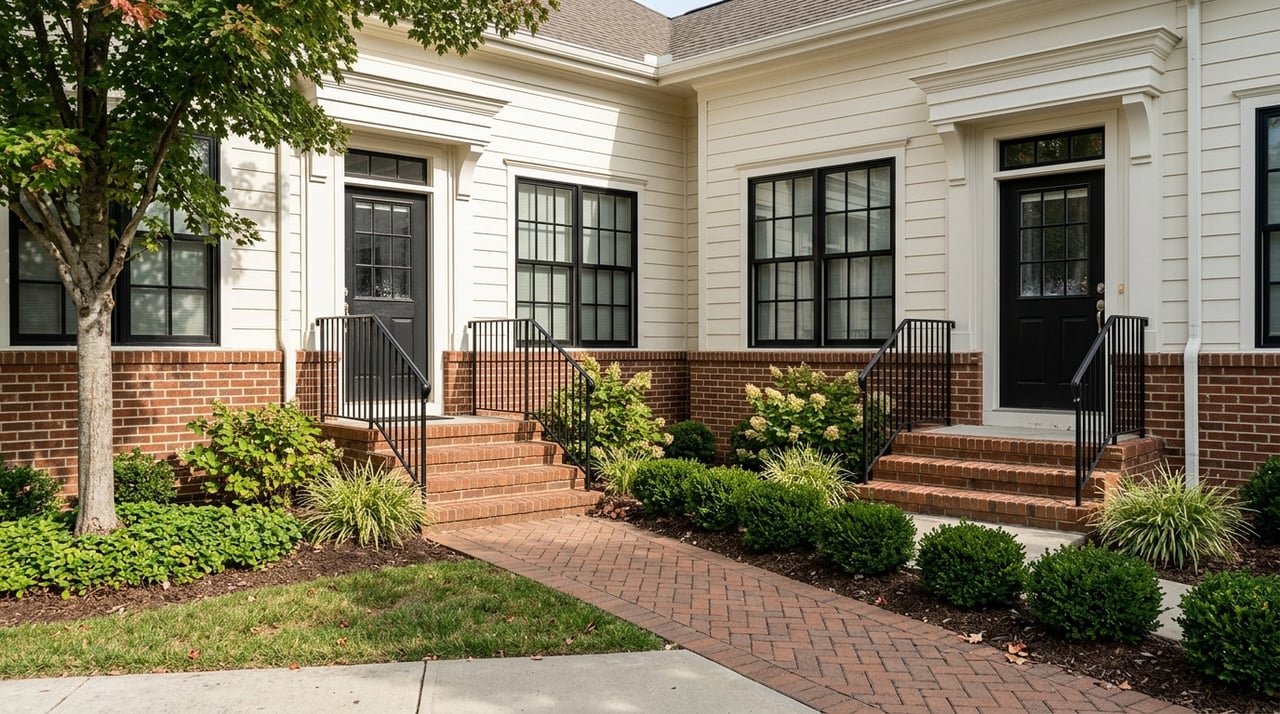
Wondering whether a Herndon home in an HOA or cluster community is a smart fit for your lifestyle? You are not alone. These neighborhoods can offer appealing shared open space and a more organized community setting, but they also come with dues, rules, and paperwork that deserve a close look. If you are comparing options in Herndon, this guide will help you understand the basics before you make an offer. Let’s dive in.
HOA vs. Cluster in Herndon
In Virginia, the broad legal term is common interest community. That category includes property owners' associations, condominiums, and cooperatives. For most buyers, an HOA is the association that governs the community, while a cluster community describes how the neighborhood was planned and how land is shared.
In Herndon and Fairfax County, cluster development generally means homes are grouped on part of a site so more land can remain open for recreation, environmental protection, or shared green space. Overall density can stay similar to a conventional subdivision, but the layout feels different. In practical terms, you may get less private yard space and more community-managed open area.
How Cluster Living Feels Different
The biggest tradeoff in many cluster communities is simple. You often exchange some individual lot space for a neighborhood design with preserved open space, shared landscaping, and common areas maintained by the association.
Fairfax County's cluster-development guidance focuses on preserving open space, protecting sensitive land, reducing stormwater runoff and erosion, and supporting recreation. For you as a buyer, that can mean a neighborhood with walking areas, managed landscaping, or a more connected layout. It can also mean more shared responsibilities handled through the HOA.
What an HOA Usually Controls
An HOA in Virginia can adopt and enforce rules tied to common areas and other responsibilities assigned in the governing documents. Those rules can address use, operation, appearance, and design. That is why two communities that look similar on the surface may feel very different once you read the documents.
Before you buy, expect to review rules that may cover things like:
- Parking and vehicle restrictions
- Exterior changes or improvements
- Fences and signs
- Solar energy devices
- Home-based business limits
- Age-occupancy restrictions, if any are in the governing documents
If you are thinking about changing the exterior of the home, do not assume it will be automatically allowed. Virginia's resale-certificate disclosures include known violations involving alterations or improvements, which is a good sign that exterior work may require architectural review and approval.
Fees, Dues, and Special Assessments
Monthly or quarterly HOA fees can vary widely because association responsibilities vary from one Herndon community to another. In one neighborhood, the fee may cover landscaping and common-area maintenance. In another, it may also support private roads, stormwater facilities, amenities, or broader repair obligations.
Virginia law also allows associations to levy additional assessments when the board determines they are in the association's best interests and the funds are used primarily for maintenance, upkeep, repair, or replacement of common areas and other association responsibilities. In plain terms, regular dues are not always the full story. A community may also have special assessments for larger projects or capital needs.
If those assessments are not paid, the association may have lien rights. That is one reason buyers should look beyond the headline monthly fee and understand the community's overall financial picture.
Why the Resale Certificate Matters
If you remember one document in an HOA or cluster purchase, make it the resale certificate. In Virginia, this is the standardized disclosure package that gives you the clearest picture of the association before closing.
The resale certificate must include key community information such as:
- Governing documents
- Rules and regulations
- Assessment schedules
- Unpaid assessments
- Special assessments
- Capital expenditures
- Reserves
- Operating budget
- Reserve study
- Recent board minutes
- Insurance information
- Known violations
- Pending legal issues that could materially affect the community
This packet can tell you far more than a listing description ever will. It helps you see not just what you will pay today, but how the association is run and whether bigger costs or disputes may be on the horizon.
Buyer Protections Under Virginia Law
Virginia law gives buyers important timing protections around the resale certificate. If the certificate is delivered after contract ratification and the contract does not set a different deadline, you have three days from receipt to cancel. If the certificate is not delivered before settlement, you can cancel any time before settlement without penalty.
That protection matters because the resale documents can reveal details you did not know when you first wrote the offer. For example, you may learn about pending special assessments, unresolved violations, or rules that affect how you plan to use the property.
Questions to Ask Before You Offer
If you are serious about a home in a Herndon HOA or cluster community, ask direct questions early. Doing so can help you avoid surprises and compare communities more confidently.
Start with these:
- What does the current assessment cover?
- Are there any approved or likely special assessments?
- How much of the budget is going to reserves?
- Who maintains roads, stormwater facilities, open space, and shared landscaping?
- What approvals are required for exterior changes?
- What parking or vehicle rules apply?
- Are there multiple associations tied to the property?
- Have there been recent rule changes, board disputes, or pending lawsuits?
These questions are especially useful in Herndon because the experience can vary by address, governing documents, and local land-use structure. A townhouse cluster community may operate very differently from another neighborhood just a few minutes away.
Red Flags to Watch For
Not every issue is a deal breaker, but some deserve extra attention. The goal is not to avoid HOA or cluster communities altogether. It is to understand what you are buying.
Pay closer attention if you see:
- Low reserves compared with obvious repair needs
- Recent or pending special assessments
- Repeated unresolved violations tied to the property
- Board minutes showing ongoing disputes or major deferred maintenance
- Unclear responsibility for roads, drainage, or common land
- Multiple associations with overlapping fees or rules
You should also note the association's enforcement authority. In Virginia, associations can suspend use of facilities or services for assessments that are more than 60 days past due if the declaration and rules allow it. They may also assess charges for violations after notice and an opportunity to be heard, with violation charges capped by state law at $50 for a single offense or $10 per day for a continuing offense, up to a 90-day limit for continuing offenses.
What This Means for Herndon Buyers
For many buyers, HOA and cluster communities in Herndon can be a great fit. You may enjoy a more planned setting, shared open space, and less individual responsibility for certain common elements. That can be especially appealing if you want a more managed neighborhood environment.
At the same time, the tradeoff is real. You will likely have ongoing dues, written rules, and the possibility of future assessments. Because Herndon has its own zoning and subdivision ordinances, the exact experience depends on that specific community and property.
That is why careful document review matters so much. The declaration and resale certificate are not just closing paperwork. They are some of the best tools you have for deciding whether a home fits your budget, plans, and comfort level.
If you are weighing homes in Herndon and want help looking beyond the listing details, working with a local team can make the process clearer. Marnie Schaar & Associates helps buyers across Herndon, Reston, and surrounding Northern Virginia communities evaluate the details that matter so you can move forward with confidence.
FAQs
What does cluster community mean in Herndon?
- In Herndon and Fairfax County, a cluster community generally means homes are grouped on part of a site so open space, recreation areas, or sensitive land can be preserved while overall density stays within allowed limits.
What is the difference between an HOA and a cluster community in Virginia?
- An HOA is the association that governs and maintains parts of the community, while cluster usually describes the neighborhood's land-planning style and shared open-space layout.
What should buyers review in a Herndon HOA resale certificate?
- Buyers should review the governing documents, rules, budget, reserve study, assessment schedule, board minutes, insurance information, known violations, special assessments, and any pending legal issues that could materially affect the community.
Can a buyer cancel after receiving HOA documents in Virginia?
- Yes. If the resale certificate is delivered after ratification and the contract does not set a different deadline, the buyer has three days from receipt to cancel. If it is not delivered before settlement, the buyer can cancel any time before settlement without penalty.
What HOA rules are common in Herndon communities?
- Common rules may address parking, vehicles, signs, solar equipment, exterior changes, and other appearance or use issues described in the governing documents.
Can HOA fees in Herndon change after you buy?
- Yes. In addition to regular assessments, Virginia law allows associations to levy additional assessments for maintenance, upkeep, repairs, and replacement of common areas and other association responsibilities.